
 News / By Fire Up / 29th April 2026
Running a business often means spending more time sitting than you plan to. That might be at a home office desk, a kitchen table, in a coworking space, or while working on site with a client. It is easy to sit down, get on with the work in front of you, and stay there for hours. Most people do not think about it while they are busy, but sitting for long periods can start to take a toll on energy and concentration. Finding simple ways to move during the working day can help make work easier to sustain.
On Your Feet Britain Day, Thursday 30 April, highlights the long hours we spend sitting at work and encourages adopting simple, healthy habits.
Freelancers, sole traders, and new business owners often move quickly from client work to admin and planning, becoming so absorbed in the task at hand that hours can pass without much movement. If this feels familiar, you’re not alone. Health experts say this is common in the UK workforce¹. Over time, this way of working can quietly shape daily routines.

Why This Matters for Entrepreneurs
1. Sitting less can support focus and energy
There’s a clear scientific reason behind this advice. The NHS explains that prolonged sitting slows the body’s metabolism. In everyday terms, that often shows up as feeling more tired, less alert, or finding it harder to concentrate as the day goes on. This is why national health guidance encourages people to avoid long stretches of sitting and to build light movement into the working day². Even small breaks can make a difference to how you feel while you work.
For business owners, those small changes often show up in simple ways. It can be easier to stay focused with clients, think things through clearly, and get through the day with fewer energy dips.
2. The importance of well-being for self employed workers
UK health guidance consistently highlights regular movement as an important part of staying well in many types of work². For self-employed people, whether your work involves a laptop, tools, meetings, driving, or a mix of these, how much you move during the day affects how you feel and perform at work.
Self-employed workers rely on their ability to work every day, so keeping up with habits that support well-being is especially important. Without sick pay or someone to cover for you, staying physically resilient helps reduce unplanned downtime and supports steady work over time.
Here, everyday movement isn’t about hitting exercise targets or what kind of job you have. It’s about building routines that help you stay capable, adaptable, and able to keep doing the work you depend on. Small amounts of regular movement can support your long-term wellbeing, making it a practical part of self-employment instead of just an extra.
3. Small, simple changes are recommended
The UK Chief Medical Officer advises adults to sit less and take breaks with light movement, even if they already exercise each week. ³ Staying active at work is just as important as regular exercise, which is an important point for business owners.
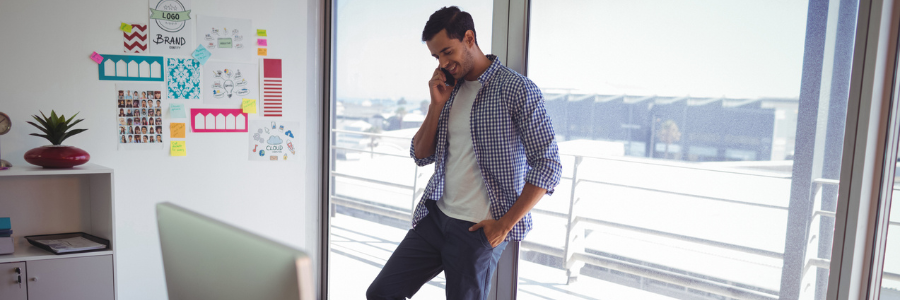
Practical Ways to Sit Less and Move More (That Fit Busy Schedules)
Many people aim to build regular exercise, such as gym sessions, into their routines, but for busy founders and freelancers, finding the time isn’t always realistic. That’s why public‑health guidance is clear that movement doesn’t need to be intense or time‑consuming to be beneficial¹. Simple changes across the day can still make a meaningful difference.
• Standing during phone or video calls
• Setting a reminder to change position every 30 minutes
• Using short walks to think through ideas or plan next steps
• Working from a higher surface for brief tasks like emails or reading
• Taking the stairs where possible
• Changing workspace during the day to reset posture and focus
• Swapping one regular seated task for a standing version
These small changes are often the easiest to maintain over time³.
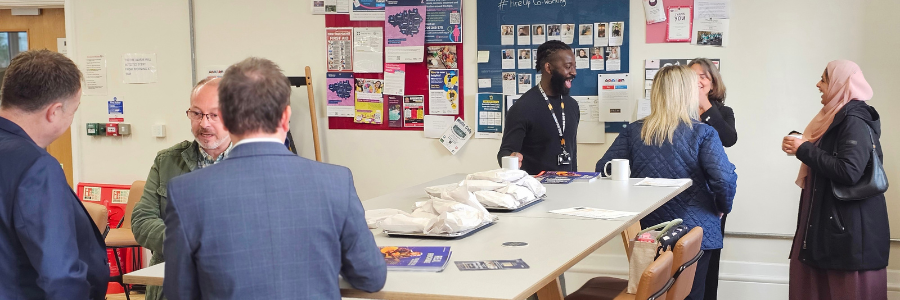
The Everyday Benefits of a Shared Workspace
At Fire Up, our residents are deeply focused on their work and often spend long periods at their desks as they build their businesses. While this focus is a real strength, it can also make it easy to fall into sedentary habits without realising it.
Being in a shared workspace helps break these habits by giving you more opportunities to move and reset throughout the day. At Fire Up, we encourage residents to change how they work, such as standing up to get a drink, using a standing workstation, or stepping away from the desk for a quick chat. These moments help with movement and posture, and they also create space for connection, turning conversations into networking, problem-solving, and collaboration that might not happen if everyone stayed at their desks.
Final Thoughts
National data shows that physical inactivity costs the UK about £7.4 billion each year, including £0.9 billion in direct NHS costs ². This shows why daily movement matters for both individuals and the country.
Adding small, evidence-based habits to your workday can help with:
• more sustainable patterns of work
• improved concentration during deep‑focus tasks
• better physical and mental well-being
• stronger foundations as businesses continue to grow
Whether you work from Fire Up, from home, or in a traditional office, National On Your Feet Britain Day is a good reminder to check in on how you work, not just what you’re working on.
Take a real step today by picking one small, evidence-based habit to add to your workday. Let National On Your Feet Britain Day be your starting point. Make a commitment to stand up, move more, and look after your wellbeing. Your business and your health deserve this daily action.
Sources & Addendums
¹ NHS – Why we should sit less
NHS guidance linking prolonged sitting with increased risk of heart disease, diabetes, some cancers and early death
Reports that many UK adults sit for around 9 hours per day, excluding sleep
🔗 https://www.nhs.uk/live-well/exercise/why-sitting-too-much-is-bad-for-us/
² UK Government / Office for Health Improvement & Disparities – Physical activity: applying All Our Health
Physical inactivity is associated with 1 in 6 deaths in the UK
The estimated cost of inactivity is £7.4bn per year, including £0.9bn to the NHS
🔗 https://www.gov.uk/government/publications/physical-activity-applying-all-our-health/physical-activity-applying-all-our-health
³ UK Chief Medical Officers’ Physical Activity Guidelines
Recommend minimising sedentary time and breaking up long periods of sitting with light activity
Applies even to those already meeting exercise guidelines
🔗 https://www.gov.uk/government/publications/physical-activity-guidelines-uk-chief-medical-officers-report